
Childhood asthma management is not just about inhalers, doctor visits, or avoiding dusty rooms. For many parents, it becomes part of everyday family life in quiet, practical ways. It is there when a child starts coughing after running outside, when the weather changes suddenly, when a school trip is coming up, or when a simple cold seems to settle in the chest for too long.
Asthma can be frightening because breathing is so basic. When a child wheezes, struggles to catch their breath, or wakes up coughing at night, parents naturally feel worried. But asthma is also a condition that can often be managed well with the right plan, steady routines, and clear communication with healthcare providers, schools, and caregivers.
The goal is not to make a child feel fragile. The goal is to help them breathe easier, stay active, sleep better, and feel confident in their body.
Understanding Childhood Asthma
Asthma is a long-term condition that affects the airways in the lungs. These airways can become swollen, sensitive, and narrow, making it harder for air to move in and out. In children, asthma symptoms may include coughing, wheezing, shortness of breath, chest tightness, or getting tired quickly during play.
Some children have obvious wheezing. Others mostly cough, especially at night, during exercise, or after a cold. That is one reason asthma can sometimes be overlooked. A child may not always say, “I can’t breathe well.” Instead, they might slow down, avoid running, ask to be carried, or become unusually quiet.
Asthma can look different from child to child. One child may react strongly to pollen. Another may have symptoms only during viral infections. Another may cough after laughing, crying, or playing in cold air. Childhood asthma management begins with learning your child’s personal pattern.
Why a Written Asthma Plan Matters
One of the most helpful tools for parents is a written asthma action plan. This is usually created with a child’s healthcare provider and explains what to do when symptoms are mild, worsening, or urgent. The National Heart, Lung, and Blood Institute describes an asthma action plan as a written treatment plan that includes daily management and instructions for handling worsening symptoms. (NHLBI, NIH)
A good plan removes guesswork. It explains which medicine to use every day, which medicine to use for quick relief, and when to call the doctor or seek emergency care. Many plans use green, yellow, and red zones to make decisions easier. Green usually means asthma is controlled. Yellow means symptoms are appearing or getting worse. Red means danger and the child may need urgent medical help.
This plan should not stay buried in a drawer. Parents, grandparents, babysitters, teachers, school nurses, coaches, and daycare staff should know where it is and what it says. Asthma often becomes stressful when different adults are unsure what to do. A clear plan can make those moments calmer.
Recognizing Early Warning Signs
Asthma symptoms do not always arrive suddenly. Many children show early warning signs before a full flare. A parent may notice more coughing than usual, restless sleep, throat clearing, mild wheezing, tiredness, or less interest in playing. Some children become irritable because they are not breathing comfortably, even if they cannot explain it.
Nighttime coughing is especially important. A child who wakes often with coughing or breathing discomfort may not have well-controlled asthma. Exercise symptoms matter too. Children should be able to run, laugh, and play. If they regularly stop because of coughing, chest tightness, or breathlessness, their asthma plan may need review.
Parents often become very good observers. They learn the small changes: the cough that sounds “different,” the way a child sits upright to sleep, or the tired face after climbing stairs. These details are worth sharing with the doctor because they can help guide treatment.
Knowing Your Child’s Triggers
Asthma triggers are things that irritate the airways or set off symptoms. According to the CDC, asthma symptoms in children can be controlled by avoiding triggers and using prescribed medicines when needed. Common triggers include dust mites, tobacco smoke, air pollution, pets, mold, strong odors, exercise, respiratory infections, and weather changes. (CDC)
Finding triggers takes time. It may help to notice when symptoms appear. Does coughing get worse after cleaning? During spring pollen season? Around pets? After a cold? In cold air? During sports? The pattern does not have to be perfect to be useful.
Reducing triggers does not mean turning the home into a medical zone. It means making reasonable changes. Keeping rooms well-ventilated, reducing dust, washing bedding regularly, avoiding indoor smoke, dealing with mold, and being careful with strong fragrances may help. For some children, allergy testing may also be useful if symptoms suggest allergic asthma.
Medicines Used in Childhood Asthma Management
Asthma medicines can feel confusing at first because they serve different purposes. Some medicines are used for quick relief when symptoms appear. Others are controller medicines used regularly to reduce airway inflammation and prevent flare-ups.
Quick-relief medicines are often used when a child is coughing, wheezing, or having trouble breathing. Controller medicines are different. They are usually taken even when the child feels well because their job is prevention. Parents sometimes stop controller medicine when symptoms improve, but that decision should be discussed with the doctor. Asthma can become quiet on the surface while airway sensitivity remains.
It is also important to use inhalers correctly. Many children need a spacer, which helps medicine reach the lungs more effectively. The CDC notes that asthma care should include checking correct technique for inhalers, spacers, and peak flow meters when used. (CDC) A child may be taking the right medicine but not getting the full benefit if the technique is off.
Making Inhalers Less Intimidating
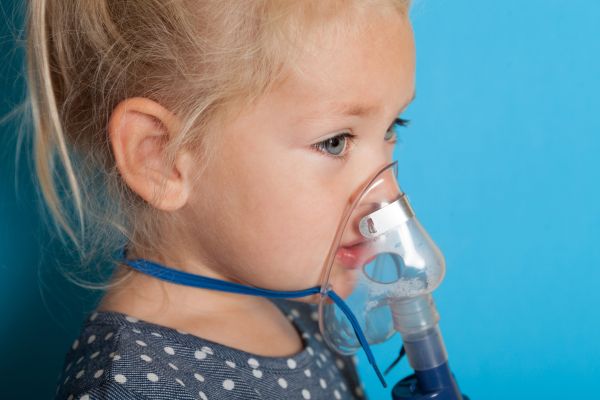
For young children, inhalers can look strange. Some dislike the mask. Others get restless or scared. Parents can help by making the routine calm and ordinary. A relaxed voice, a simple explanation, and consistent timing can make a big difference.
Instead of treating inhaler use like a punishment or emergency-only event, it can be framed as something that helps the lungs open and settle. Younger children may respond better when parents count breaths gently or make the process part of a familiar routine. Older children may appreciate understanding why the medicine matters.
As children grow, they can gradually learn to recognize symptoms and speak up. They do not need to carry the emotional burden of the condition, but they should understand their body. Confidence grows when asthma care feels manageable rather than mysterious.
Asthma at School and Daycare
School is a major part of childhood asthma management. Children spend many hours away from home, and symptoms may happen during recess, gym class, field trips, or after exposure to classroom triggers. The school should have a copy of the asthma action plan, and staff should know what to do if symptoms begin.
Parents may need to speak with teachers, school nurses, coaches, and daycare staff at the start of each school year. Nationwide Children’s Hospital advises that caregivers and school staff should understand the asthma action plan zones and know how to use an inhaler, spacer, and peak flow meter if these are part of the child’s care. (Nationwide Children’s Hospital)
Exercise should not automatically be avoided. Many children with asthma can participate fully in sports when their condition is controlled. If symptoms appear during activity, the doctor may adjust the plan. The aim is safe participation, not unnecessary restriction.
Handling Colds and Seasonal Changes
Respiratory infections are one of the most common asthma triggers in children. A cold that seems minor at first can lead to coughing, wheezing, or nighttime breathing trouble. Parents often notice that asthma symptoms increase during winter, allergy seasons, or sudden weather shifts.
This is where preparation helps. If a child’s action plan includes steps for early cold symptoms, parents can respond sooner. The doctor may recommend monitoring symptoms more closely or adjusting medicines according to the plan. It is better to act early than wait until breathing becomes difficult.
Seasonal changes may also call for small adjustments at home. During pollen season, keeping windows closed on high-pollen days and encouraging hand and face washing after outdoor play may help some children. During cold weather, covering the nose and mouth with a scarf outdoors can reduce airway irritation for others.
When Asthma Needs Urgent Attention
Parents should know the signs that asthma may be becoming serious. These can include fast breathing, trouble speaking in full sentences, ribs pulling in during breathing, blue or gray lips, severe wheezing, extreme tiredness, confusion, or symptoms that do not improve after quick-relief medicine.
Emergency instructions should come from the child’s healthcare provider and be written in the asthma action plan. If a child is struggling to breathe, appears very drowsy, or is not responding as expected to rescue medicine, urgent medical care is needed.
It is always better to take breathing problems seriously. Parents sometimes worry about “overreacting,” but asthma can change quickly. Trusting concern is part of good care.
Building a Home Routine That Feels Normal
The best asthma routines are usually simple and consistent. Medicines are taken as directed. Triggers are watched without obsession. Symptoms are written down when needed. Follow-up appointments are kept, even when things seem fine.
Children also benefit when asthma is discussed without fear. A child should know asthma is something they have, not something that makes them weak. They can still be playful, curious, athletic, creative, and independent. The adults around them simply help create conditions where their lungs can do better.
Parents also need support. Managing a child’s chronic condition can be emotionally tiring. There may be nights of worry, school forms to complete, medicines to track, and moments of uncertainty. Feeling overwhelmed does not mean a parent is failing. It means the responsibility is real.
Working Closely With the Doctor
Asthma management changes as children grow. A plan that worked last year may not be the best fit now. Growth, activity level, allergies, infections, and environment can all affect symptoms. Regular follow-ups give the doctor a chance to check control, review medicine use, correct inhaler technique, and adjust treatment if needed.
Parents should mention any increase in quick-relief medicine use, missed school days, nighttime coughing, exercise problems, side effects, or concerns about medication. These details help the doctor understand whether asthma is truly controlled.
Good childhood asthma management is a partnership. Parents bring daily observations. Doctors bring medical guidance. Schools and caregivers help carry out the plan. The child, over time, learns to listen to their own body.
Conclusion
Childhood asthma management is not about living in fear of every cough or every change in the weather. It is about preparation, awareness, and steady care. With a clear asthma action plan, proper medicine use, trigger awareness, and support from trusted adults, many children with asthma can sleep better, play more freely, and move through daily life with confidence.
For parents, the journey may begin with worry, but it often becomes more manageable with knowledge. The more you understand your child’s symptoms and patterns, the less asthma feels like a sudden crisis and the more it becomes a condition that can be watched, treated, and handled with care.