
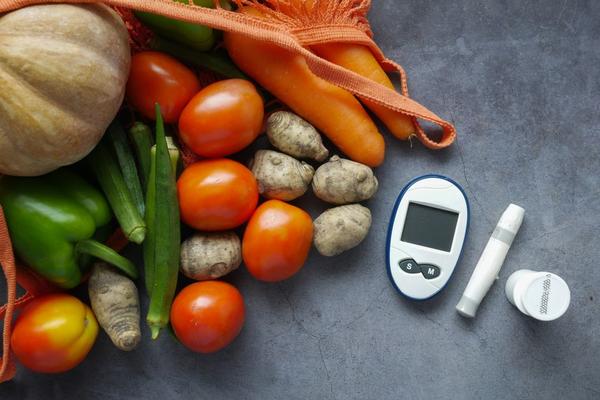
The DASH diet has earned its reputation the old-fashioned way: years of research, practical food choices, and a strong focus on blood-pressure control. In 2026, it was again recognised by U.S. News & World Report as the top heart-healthy diet, while also ranking highly overall. Rather than requiring special products, a DASH diet meal plan for high blood pressure is built around familiar foods such as vegetables, fruit, whole grains, beans, nuts, low-fat dairy, fish and poultry, with less sodium, added sugar and saturated fat.
The plan below turns those principles into seven realistic days. It is a flexible low sodium meal plan, not a prescription, and exact sodium totals depend on portions and brands. The American Heart Association recommends no more than 2,300 mg of sodium per day for most adults and considers 1,500 mg an ideal goal for many adults, especially those with high blood pressure. If you have kidney disease, take medicines that affect potassium, or have other dietary restrictions, ask your healthcare professional before major changes.
How to Make This DASH Diet Plan Work
A useful diet for high blood pressure does more than remove the salt shaker. Much dietary sodium comes from packaged, prepared and restaurant foods. Big wins often come from choosing no-salt-added beans, lower-sodium breads and broths, plain frozen vegetables, unsalted nuts and fresh proteins instead of deli meats or heavily seasoned convenience foods.
Keep portions sensible and adjust them for your energy needs. Water, sparkling water without added sodium, unsweetened tea and coffee can fit naturally. When cooking, build flavour with lemon, lime, garlic, ginger, pepper, vinegar, paprika, cumin, fresh herbs and salt-free seasoning blends.
Your 7-Day DASH Diet Meal Plan for High Blood Pressure
Day 1: Oats, Chickpeas and Salmon
Breakfast: porridge made with rolled oats and low-fat milk, topped with blueberries, banana and a spoonful of unsalted walnuts. Lunch: a chickpea, cucumber, tomato and spinach bowl with olive oil and lemon, served with a small whole-grain pita chosen for lower sodium. Dinner: baked salmon with roasted sweet potato and steamed broccoli. Snack on plain yogurt with berries.
Day 2: Yogurt, Lentils and Chicken
Breakfast: plain low-fat Greek yogurt with strawberries, oats and pumpkin seeds. Lunch: homemade lentil and vegetable soup made with no-salt-added tomatoes and low-sodium broth, plus fruit. Dinner: skinless chicken breast with brown rice, green beans and a cucumber-herb salad. For a snack, choose an apple with unsalted peanut butter.
Day 3: Whole Grains and Beans
Breakfast: whole-grain toast with avocado and a side of orange slices. Lunch: a black bean and brown rice bowl with lettuce, corn, tomato, coriander and lime. Dinner: whole-wheat pasta tossed with spinach, mushrooms, garlic, olive oil and white beans. A pear and a small handful of unsalted almonds make an easy snack.
Day 4: Eggs, Hummus and Trout
Breakfast: scrambled egg with spinach and tomato, served with a slice of lower-sodium whole-grain toast and fruit. Lunch: hummus with a large crunchy salad and whole-grain crackers, checking both the hummus and crackers for sodium. Dinner: baked trout, quinoa and roasted courgette or zucchini. Snack on grapes with plain low-fat yogurt.
Day 5: Berry Oats and Turkey
Breakfast: overnight oats with raspberries, chia seeds and low-fat milk. Lunch: leftover quinoa mixed with chickpeas, chopped vegetables and a lemon-olive oil dressing. Dinner: homemade turkey meatballs using lean ground turkey, herbs and oats instead of salty breadcrumbs, served with whole-wheat spaghetti and no-salt-added tomato sauce. Snack on a banana and a few unsalted nuts.
Day 6: Fruit, Tuna and Vegetarian Chili
Breakfast: a smoothie made with berries, banana, spinach, plain yogurt and milk, with no sweetened syrups. Lunch: tuna and white bean salad with celery, parsley, lemon and olive oil; choose tuna packed without added salt or compare labels for the lowest-sodium option. Dinner: vegetarian chili made from rinsed no-salt-added beans, tomatoes, peppers, onion and spices, served with brown rice. Snack on fresh fruit.
Day 7: Simple Sunday-Style DASH Meals
Breakfast: oatmeal topped with diced apple, cinnamon and unsalted pecans. Lunch: leftover vegetable chili over a baked potato with plain low-fat yogurt instead of salty cheese sauce. Dinner: roasted skinless chicken, barley and a generous tray of carrots, peppers and cauliflower. Finish the week with berries or a peach for a naturally sweet snack.
Small Swaps That Make the Plan Easier
The most practical DASH strategy is often substitution rather than restriction. If lunch is usually a deli turkey sandwich, switch to leftover home-cooked chicken, add tomato and leafy greens, and compare breads for sodium. That change can cut sodium without making the meal feel like “diet” food.
Rinsing canned beans can also reduce some of their sodium, while no-salt-added versions make the choice even easier. Pick unsalted nuts, use plain yogurt instead of sweetened varieties, and choose sauces carefully. A product labelled “healthy” can still be sodium-heavy, so the Nutrition Facts panel matters more than front-of-pack marketing.
For related guidance, consider reading our Mediterranean diet vs DASH comparison, our guide to low-sodium foods, and our overview of heart-healthy eating patterns.
What DASH Is Really Doing for Blood Pressure
DASH is not simply a low-salt menu. It emphasises foods rich in potassium, calcium, magnesium and fibre while limiting saturated fat and highly processed foods. Research behind DASH found meaningful blood-pressure reductions, and lowering sodium alongside the pattern can improve the effect further for many people.
That does not mean food replaces prescribed treatment. If you take blood-pressure medication, continue it as directed and discuss diet changes with your clinician. Home blood-pressure readings can also help you and your healthcare team see how your overall treatment plan is working.
FAQ
How quickly can the DASH diet lower blood pressure?
Some people may see improvement within weeks, but the response varies. Blood pressure is influenced by diet, medication, activity, weight, sleep, stress and other health conditions, so focus on consistent habits rather than expecting a specific result by a fixed date.
Can I eat bread on the DASH diet?
Yes. Whole grains are a core part of DASH. Because bread can contribute significant sodium, compare labels and choose a whole-grain option with less sodium per serving.
Is 1,500 mg of sodium necessary for everyone with high blood pressure?
Not necessarily. The American Heart Association recommends no more than 2,300 mg per day for most adults and an ideal goal of no more than 1,500 mg for many adults, particularly those with high blood pressure. Individual needs can differ, so personalised medical advice matters.
Can vegetarians follow this 7-day DASH meal plan?
Yes. Replace fish and poultry with beans, lentils, tofu or other minimally processed plant proteins, while keeping an eye on sodium in packaged meat substitutes and sauces.
A Week That Can Become a Routine
The strongest feature of a DASH diet plan is that it can look like normal eating. After seven days, keep the meals you enjoyed most and repeat them, rotating seasonal produce, whole grains and proteins. Build meals around plants, choose minimally processed foods, read sodium labels, and use herbs, citrus and spices generously. Those habits can turn a one-week DASH diet meal plan for high blood pressure into an everyday heart-healthy pattern.