
For many UK shoppers, “eating for inflammation” can sound like a specialist plan built around expensive powders and supplements. In practice, the useful approach is much more ordinary. A food pattern rich in vegetables, fruit, wholegrains, pulses, nuts, seeds, unsaturated fats and oily fish overlaps closely with mainstream healthy-eating guidance and with Mediterranean-style eating. The goal is not to eliminate normal inflammation, but to build a diet associated with better long-term health.
What does an anti-inflammatory way of eating actually mean?
There is no single official “anti-inflammatory diet” with a fixed menu. Nutrition research usually looks at overall dietary patterns rather than one miracle ingredient. Diets centred on plant foods, fibre-rich carbohydrates, healthy fats and fish provide a broad mix of nutrients and plant compounds.
This is a useful way to think about inflammation and diet: what you eat repeatedly matters more than whether you add one fashionable ingredient to an otherwise unbalanced menu. For UK adults, the Eatwell Guide is a sensible foundation: at least five portions of varied fruit and vegetables a day, higher-fibre starchy foods, protein foods and small amounts of unsaturated oils.
The foods worth putting at the centre of your plate
Colourful vegetables and fruit
Vegetables and fruit are an easy starting point because variety naturally broadens the range of plant compounds in the diet. Berries, oranges, apples, tomatoes, peppers, broccoli, leafy greens, carrots and red cabbage all fit. Frozen produce counts too and can reduce cost and waste.
Rather than chasing a perfect anti inflammatory foods list, aim for colour across the week. A practical UK example is porridge with berries at breakfast, lentil and tomato soup at lunch, then a dinner containing two different vegetables. That pattern is more valuable than relying on an occasional “superfood” drink.
Wholegrains, beans and pulses
Oats, wholemeal bread, brown rice, wholewheat pasta, barley, lentils, chickpeas and beans help increase fibre intake. UK guidance recommends about 30g of fibre a day for adults. Increase fibre gradually and drink enough fluid.
Pulses are especially practical because they provide fibre and plant protein at relatively low cost. Try replacing part of the mince in a chilli or cottage pie with lentils, adding chickpeas to a curry, or stirring beans into soups.
Nuts, seeds and unsaturated fats
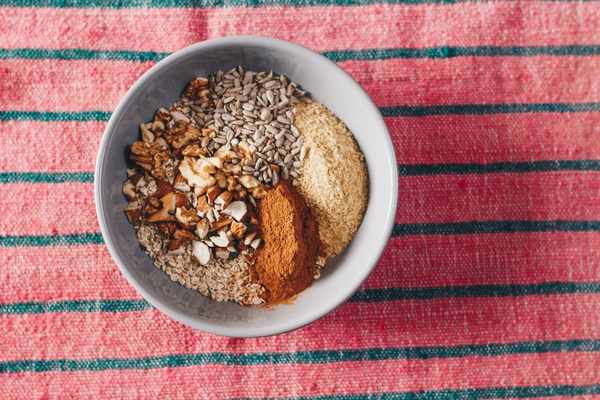
Walnuts, almonds, pumpkin seeds, sunflower seeds and ground flaxseed can add texture and useful unsaturated fats. Olive or rapeseed oil can be used in modest amounts for dressings and cooking. They are energy-dense, so modest portions make sense.
Oily fish and other omega 3 foods
Salmon, sardines, mackerel, trout, herring and pilchards are among the richest food sources of long-chain omega-3 fatty acids. UK guidance advises at least two portions of fish a week, including one portion of oily fish, for most adults. Tinned sardines or mackerel can keep this affordable.
Plant foods such as walnuts, chia seeds and flaxseed also contain an omega-3 fat called ALA. They are nutritious choices, although they do not provide the same amounts of the long-chain omega-3 fats EPA and DHA found in oily fish.
Where turmeric fits—and where the claims go too far
Turmeric is often promoted as one of the key anti-inflammatory diet foods UK consumers should use. Its yellow pigment includes curcumin, a compound studied for possible anti-inflammatory effects. However, research on turmeric or curcumin supplements has not established them as a treatment for inflammatory disease, and supplement formulations vary widely.
The sensible interpretation of turmeric benefits is culinary rather than medicinal. Use turmeric because it adds flavour and colour to dals, soups, roasted vegetables, scrambled eggs or rice. It can support a plant-rich pattern, but it cannot compensate for an otherwise poor diet. Anyone considering concentrated turmeric or curcumin supplements—particularly alongside medicines or with an existing health condition—should discuss this with a pharmacist, GP or other qualified clinician.
Foods to reduce without turning eating into a rulebook
An anti-inflammatory pattern is not about banning an occasional biscuit, takeaway or pudding. It is about what dominates the week. Frequent meals built around sugary drinks, confectionery, pastries, processed meats and foods high in saturated fat, salt or free sugars can crowd out more nutritious choices.
A useful test is replacement rather than restriction. Swap some processed meat meals for beans, lentils, fish or eggs. Choose wholegrain bread more often than white. Keep fruit, plain yoghurt or a small handful of nuts available for snacks. Use water, tea or coffee without lots of added sugar as everyday drinks. Repeated substitutions are usually easier to maintain than an extreme reset.
A realistic UK day of anti-inflammatory eating
Breakfast could be porridge made with milk or a fortified plant alternative, topped with an apple, berries and ground flaxseed. Lunch might be a wholemeal wrap filled with hummus, salad and leftover roasted vegetables, followed by fruit. Dinner could be baked salmon with new potatoes, peas and broccoli, or a chickpea and spinach curry with brown rice. A snack of unsalted nuts or plain yoghurt fits comfortably if needed.
Vegetarian, vegan, halal, culturally specific and budget-focused diets can all use the same principles. Related topics worth exploring include Mediterranean-style eating, getting more fibre from everyday foods, and choosing heart-healthy fats.
FAQ
What are the best anti-inflammatory foods to eat every day?
There is no single best food. Build most meals around a varied combination of vegetables, fruit, wholegrains, beans or pulses, nuts or seeds, and unsaturated fats. If you eat fish, include oily fish regularly in line with UK guidance.
Can an anti-inflammatory diet cure arthritis or another inflammatory condition?
No diet should be presented as a cure. A nutritious eating pattern may support general health and can be part of condition management, but diagnosed inflammatory conditions may require medical treatment. Speak with your healthcare team before making major dietary changes for a medical condition.
Do I need turmeric or omega-3 supplements?
Most people should focus on food first unless a healthcare professional has advised a supplement. Oily fish provides long-chain omega-3 fats, while turmeric can be used as a normal cooking spice. Concentrated supplements are different from foods and may not be suitable for everyone.
How quickly does an anti-inflammatory diet work?
It is better to judge the approach as a long-term eating pattern than expect a rapid change in symptoms. Benefits associated with balanced diets develop through consistent habits, and individual medical symptoms should be assessed separately rather than used as a test of whether a particular food is “working”.
Build the pattern, not the hype
The strongest version of anti-inflammatory eating looks refreshingly familiar: plenty of plants, higher-fibre carbohydrates, pulses, nuts and seeds, sensible amounts of unsaturated fats, and oily fish where appropriate. It also leaves room for normal life. Focus on the foods you can repeat week after week, use spices such as turmeric for flavour rather than as medicine, and let overall dietary quality do the heavy lifting.