
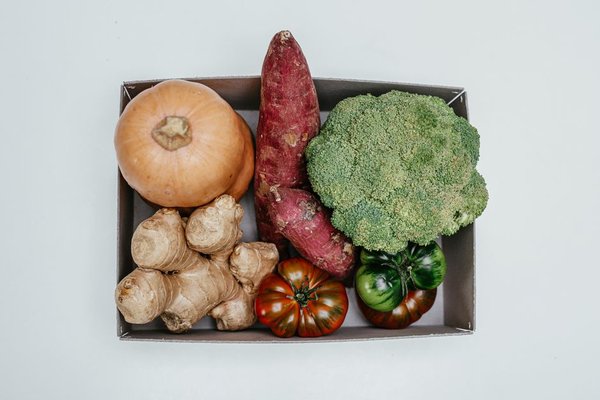
Fibre has moved from a quiet nutrition label detail to one of the biggest food trends in Britain. NielsenIQ reported that sales of fibre-based foods rose by 14.1% over the 26 weeks leading into January 2026, well ahead of overall grocery growth. The interest makes sense: more shoppers are connecting everyday food choices with digestion, regular bowel habits and the health of the gut microbiome. Yet the most useful approach is not chasing one fashionable fibre product. It is building a varied, affordable pattern of high fibre foods for gut health using familiar UK staples.
How much fibre do adults need in the UK?
UK guidance recommends an average intake of about 30g of fibre a day for people aged 16 and over. Most adults are nowhere near that level. The National Diet and Nutrition Survey for 2019 to 2023 found an average intake of roughly 16.4g among adults aged 19 to 64, and only 4% met the recommendation.
That gap is important because fibre supports normal bowel function and helps create a more favourable environment for beneficial gut bacteria. Higher-fibre diets are also associated with broader health benefits, particularly when fibre comes from minimally processed plant foods rather than relying mainly on isolated fibre added to snacks and drinks.
Why variety matters for gut health
Fibre is not a single substance. Soluble fibres can absorb water and form a gel-like texture, while insoluble fibres add bulk and help food move through the bowel. Some fermentable fibres are used by gut bacteria, producing compounds that support the cells lining the colon. Different plants provide different combinations, so a diverse digestive health diet is usually more useful than eating large amounts of one “superfood”.
Think in categories across the week: wholegrains, pulses, vegetables, fruit, nuts and seeds. This variety also brings vitamins, minerals and plant compounds that a fibre supplement cannot fully replace.
The best high fibre foods for gut health
Beans, lentils and chickpeas
Pulses are among the most efficient ways to raise fibre intake UK households can use without greatly increasing the food bill. Add lentils to a bolognese, stir chickpeas into a curry, mix butter beans into soup, or replace part of the mince in cottage pie with beans. Tinned versions are convenient; draining and rinsing can reduce some of the salt and may make them easier to tolerate.
Oats and other wholegrain foods
Porridge oats, wholemeal bread, wholewheat pasta, brown rice, barley and wholegrain breakfast cereals provide fibre in forms that fit easily into everyday meals. Oats contain beta-glucan, a soluble fibre, while wheat-based wholegrains provide more insoluble fibre. Check labels rather than relying on brown colour alone: “wholemeal” or “wholegrain” should appear prominently in the ingredients.
Related reading: healthy wholegrain swaps for realistic alternatives at breakfast, in packed lunches and at family dinners.
Fruit with edible skins
Apples, pears, berries, oranges and kiwis are useful gut friendly foods because they combine fibre with water and a range of plant compounds. Eating whole fruit provides substantially more fibre than drinking juice. Keep edible skins on after washing where appropriate, and use frozen berries when fresh options are expensive.
Vegetables in everyday portions
Peas, broccoli, carrots, sweetcorn, Brussels sprouts, cabbage and leafy greens all contribute. The key is frequency rather than treating vegetables as a small side dish at dinner. Add frozen peas to rice, grated carrot to sandwiches, spinach to eggs and extra vegetables to sauces. Frozen and tinned vegetables still count, although choosing lower-salt options is sensible.
Potatoes with their skins
Baked, boiled or air-fried potatoes can contribute useful fibre when the skin is eaten. Pairing a jacket potato with baked beans and a vegetable-rich salad creates a practical high-fibre meal without specialist ingredients. This is a good example of how familiar comfort food can fit a gut-supportive eating pattern.
Nuts, seeds and ground linseed
Almonds, peanuts, walnuts, chia seeds and linseed add fibre in small portions. Sprinkle seeds over porridge or yoghurt, add nuts to fruit, or stir ground linseed into breakfast. They are energy-dense, so a small handful or spoonful is usually enough. Ground linseed should be taken with adequate fluid.
A realistic way to reach 30g
Instead of counting every gram, build fibre into each eating occasion. For example, start with porridge topped with berries and seeds. Choose a wholemeal sandwich with salad and a piece of fruit at lunch. Have lentil and vegetable curry with brown rice for dinner, then snack on a small handful of nuts. This type of day can move someone much closer to the target while also improving overall diet quality.
Related reading: gut-friendly breakfast ideas, because breakfast is often the easiest meal for adding oats, fruit, seeds and wholegrain cereals. Simple habits for better digestion can also connect fibre with hydration, movement and regular meal patterns.
Increase fibre gradually, not overnight
A sudden jump from a low-fibre diet to 30g can cause wind, cramps or bloating. Increase intake over a few weeks and drink enough fluid, especially when adding bran, seeds or fibre supplements. Regular physical activity can also support bowel movement.
People with irritable bowel syndrome, inflammatory bowel disease, bowel narrowing, recent gastrointestinal surgery or persistent digestive symptoms may need personalised advice. Seek medical help for blood in the stool, unexplained weight loss, severe pain or a lasting change in bowel habits. More fibre is not automatically the right answer for every symptom.
Frequently asked questions
What is the UK daily fibre target?
Adults aged 16 and over are advised to average about 30g a day. Children have lower age-based targets. Most UK adults currently consume considerably less than the adult recommendation.
Which breakfast foods are highest in fibre?
Porridge oats, wheat biscuits, unsweetened wholegrain cereals, wholemeal toast, berries, pears, nuts and seeds are practical choices. Combining two or three of them is usually more effective than relying on a single “high-fibre” branded product.
Can high fibre foods make bloating worse?
They can at first, particularly if intake rises quickly or if large amounts of bran or pulses are introduced at once. Increase portions gradually, stay hydrated and note which foods feel comfortable. Persistent or painful bloating deserves professional assessment.
Do I need a fibre supplement for gut health?
Many people can improve intake through food. Supplements such as psyllium may be useful in some circumstances, but they should be taken exactly as directed with sufficient fluid and may affect how some medicines are absorbed. A pharmacist, GP or registered dietitian can advise when a supplement is appropriate.
Making fibre an everyday habit
The strongest approach is steady, varied and practical. Use wholegrain foods more often, add pulses to familiar recipes, eat fruit and vegetables throughout the day, and include modest portions of nuts and seeds. These changes are less dramatic than a viral “fibre-maxxing” challenge, but they are more likely to support gut health comfortably and sustainably.