
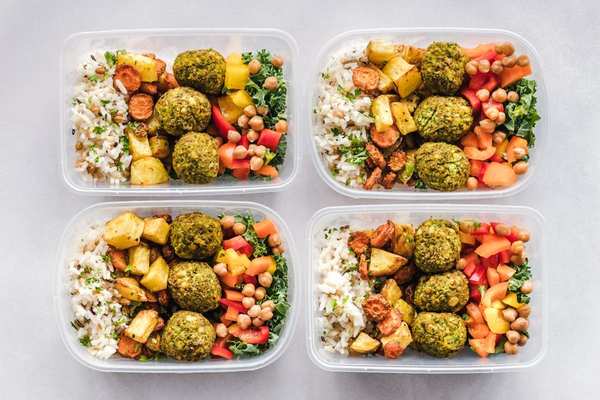
Meal prep can sound like a Sunday-long project involving identical boxes and a perfectly organised fridge. It does not have to be. For time-poor households, meal prep for beginners UK style is simply a way to make busy weekdays easier: decide what you will eat, prepare a few useful components in advance and store them safely. Even preparing two lunches or chopping vegetables for tomorrow counts. The best system is the one you can repeat without losing your whole weekend.
What Meal Prep Really Means
Meal prepping is an umbrella term for planning and preparing food before you need it. You might cook complete meals, portion leftovers, assemble overnight oats or prepare ingredients such as roasted vegetables and cooked proteins. Batch cooking is one approach, but it is not the only one. Beginners often do better with a flexible mix of ready-made meals and prepared components that can become different dishes.
The goal is not to remove every spontaneous choice. It is to reduce the daily question of what to eat when you are tired, hungry or short of time. A little preparation can also help you use groceries before they spoil and make packed lunches more convenient.
Start With a Small, Realistic Plan
Choose Your Busiest Meals
Look at the coming week before deciding what to prepare. Mark evenings when you will arrive home late, office days when you need lunch and any meals you will eat elsewhere. Then choose two or three occasions where advance preparation would make the biggest difference. Preparing every breakfast, lunch and dinner immediately is a common route to wasted food and frustration.
Pick Foods You Already Enjoy
Your first prep should be familiar. Choose one dependable main dish, one easy breakfast and a snack or lunch component. A lentil curry, chicken traybake, pasta sauce, chilli or vegetable soup can provide several portions without requiring complicated techniques. Keep variety by changing the carbohydrate, vegetables, sauce or garnish rather than cooking five unrelated recipes.
Build Balanced Meals Without Overcomplicating Them
A practical meal can combine a source of starchy carbohydrate, a protein food and fruit or vegetables. Think potatoes, wholegrain bread, rice or pasta alongside beans, lentils, eggs, fish, tofu or lean meat. The NHS Eatwell Guide focuses on balance across the day or week, so every container does not need to look nutritionally perfect. Variety over time matters more.
For healthy meal prep, use frozen vegetables, tinned pulses and tinned tomatoes as well as fresh produce. They are convenient, often economical and useful when shopping plans change. Sauces, herbs, spices and small toppings can make the same base ingredients feel less repetitive.
Choose Useful Meal Prep Containers
You do not need a matching collection to begin. A few leak-resistant, food-safe containers in different sizes are enough. Clear boxes help you see what needs using, while divided containers can keep wet and crisp foods separate. Check that each container is suitable for the fridge, freezer, microwave or dishwasher before using it that way.
Label prepared food with its name and date. Freezer labels or masking tape work well. Portioning food before storage also makes it easier to defrost only what you need, rather than repeatedly handling a large batch.
A Simple Weekly Meal-Prep Routine
Plan and Shop With a Purpose
Choose dishes that share ingredients so one purchase serves several meals. Spinach might go into an omelette, a curry and a pasta dish; roasted peppers could work in wraps and grain bowls. Check cupboards, the fridge and the freezer before making your list. This prevents duplicate purchases and makes prep ahead meals more cost-conscious.
Cook in an Efficient Order
Begin with items that take longest, such as a tray of vegetables or a simmering stew. While they cook, prepare quick components, wash produce and portion snacks. Using the oven for more than one item at a time can save effort, provided each food is cooked safely and has enough space. Keep raw meat separate from ready-to-eat ingredients, and wash hands, boards and utensils thoroughly.
When the food is ready, divide it into sensible portions rather than leaving everything in one pan. Keep sauces or crunchy toppings separate when that will preserve texture. You can refrigerate the next couple of days’ food and freeze later portions, giving yourself flexibility if plans change.
Store and Reheat Prepared Food Safely
Food safety matters whenever meals are cooked in advance. Current Food Standards Agency guidance says cooked leftovers should be cooled and put in the fridge within two hours. Eat refrigerated leftovers within 48 hours or freeze them if that will not be possible. Follow use-by dates, keep the fridge properly chilled and never rely on smell alone to judge food carrying a use-by date.
Defrost frozen portions safely, ideally in the fridge, and use them within the recommended time for that food. Reheat leftovers only once and heat them thoroughly until steaming hot throughout. If you are packing lunch, use an insulated bag and ice pack when the food cannot go straight into a fridge.
Make the Habit Flexible Enough to Last
Leave one or two meals unplanned so you can accommodate invitations, a takeaway or changing appetites. It also helps to keep a backup meal in the freezer for unusually busy days. If you dislike eating the same dish repeatedly, prepare components rather than complete plates and combine them differently during the week.
Review what worked before the next shop. Did you prepare too many portions? Did salad lose its texture? Did a breakfast go untouched? Adjust quantities and storage rather than abandoning the system. Successful meal prep is built through small corrections, not a flawless first attempt.
Frequently Asked Questions
How many meals should a beginner prep?
Start with two or three meals for your busiest days. Once you know how much food you genuinely use, you can expand gradually without creating waste.
How long does meal prep last in the fridge?
Storage time depends on the food, but the Food Standards Agency advises eating cooked leftovers within 48 hours or freezing them. Always follow product labels and specific safety guidance.
Do I need to cook everything on Sunday?
No. A shorter midweek top-up may suit you better. You can cook one batch at the weekend, then refresh vegetables, breakfasts or lunches later in the week.
Can I meal prep without a microwave?
Yes. Prepare foods designed to be eaten cold, such as sandwiches, salads, overnight oats and properly cooled cooked dishes that are suitable for cold eating. Store and transport them safely.
A Simpler Week Starts With One Prep Session
Meal prep should create breathing room, not another demanding chore. Begin with the meals that cause the most stress, choose familiar ingredients and prepare only what your schedule requires. With sensible containers, safe storage and a flexible routine, meal prep for beginners UK households can become an easy weekly habit that saves time while keeping everyday food varied and practical.