
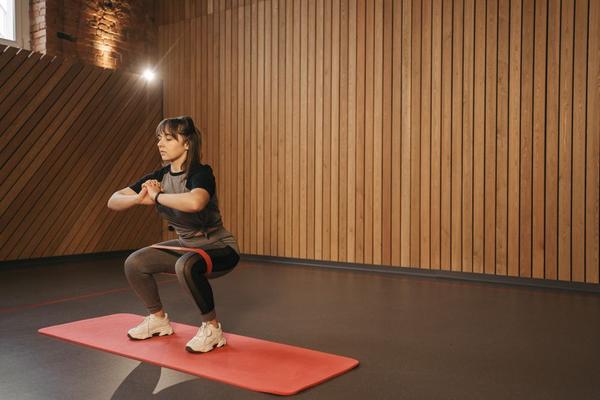
If your shoulders feel stiff when you reach for a high shelf or your hips protest after sitting at a desk, you do not necessarily need an intense stretching session. A few minutes of comfortable, controlled movement may be a better starting point. Mobility exercises for beginners help you explore how your joints move rather than simply forcing a deeper stretch.
You can build a beginner mobility routine in your living room, with no equipment beyond a chair, a wall and perhaps a folded towel. The aim is not to become unusually flexible overnight. It is to make everyday actions, warm-ups and workouts feel more manageable.
Think about control, not just range
Flexibility describes how far a muscle and surrounding tissues can lengthen. Mobility also involves your ability to move a joint through a range you can control. Reaching farther is not useful if you have to twist awkwardly or hold your breath to get there.
Start with a comfortable range, move slowly and keep breathing. Mild tension may be normal; sharp pain, pinching, dizziness or worsening symptoms are reasons to stop. If you have a recent injury, significant joint pain, balance problems or an operation to recover from, ask a qualified healthcare professional which movements are appropriate.
Eight simple mobility exercises to try at home
These movements cover the shoulders, spine, hips, ankles and wrists. Begin with one easy set and make the movements smaller whenever needed.
1. Wall slides for the shoulders
Stand with your back near a wall and bend your elbows into a comfortable goalpost shape. Slowly slide your arms upward, then lower them. Keep your ribs relaxed instead of arching your lower back to reach higher. Try six to eight repetitions. If the wall position feels restrictive, perform the same motion standing freely.
2. Open-book rotations for the upper back
Lie on your side with your knees bent and stacked. Reach both arms forward, then open your top arm toward the opposite side as your chest turns. Let your eyes follow your hand while keeping your knees together. Try five repetitions per side. Place a pillow under your head for comfort.
3. Cat-cow for spinal movement
On hands and knees, gently round your back as you exhale. Then let your chest move forward and your spine extend slightly as you inhale. Move gradually without pushing to the end of your range. Six to ten repetitions are enough to explore how your back feels that day.
4. Supported hip switches
Sit on the floor with both knees bent and feet wider than your hips. Rest your hands behind you for support. Slowly lower both knees toward one side, return to the middle and change sides. You do not need to touch the floor. Try four to six changes each way. Sitting on a folded towel may help.
5. Half-kneeling hip movement
Place one knee on a padded surface with the other foot in front, holding a sturdy chair for balance. Gently tuck your pelvis and shift forward until you feel a light stretch near the front of the back hip. Ease back and repeat five times, then switch legs. Keep your torso upright.
6. Knee-to-wall ankle rocks
Face a wall with one foot a short distance away. Keeping your heel down, guide that knee toward the wall, then return. If the heel lifts, move closer; if the knee reaches easily, move slightly farther away. Try eight controlled rocks per side. This is useful preparation for stairs and squatting.
7. Chair-assisted squat movement
Stand in front of a stable chair with your feet comfortably apart. Bend at your hips and knees to lower toward the seat, then stand again. Use the chair as a depth guide or touch it lightly for support. Try five to eight repetitions. The goal is a steady movement, not the deepest squat possible.
8. Gentle wrist circles
Hold your hands in front of you, loosely close your fists and draw small circles with your wrists. Change direction after five circles, then open and close your hands several times. Keep the movement easy, especially if you spend long hours typing. Avoid leaning body weight onto sore wrists.
Build a movement routine you will actually repeat
For a practical ten-minute session, spend roughly one minute on each of the eight movements, allowing extra time to change sides or positions. If getting onto the floor is uncomfortable, start with wall slides, ankle rocks, chair squats and wrist circles. Those four make a reasonable standing option.
Consistency matters more than completing an ambitious session once. Try these mobility exercises at home on three or four days each week, then add short sessions if they feel helpful. General flexibility guidance supports working major muscle groups at least two or three days weekly, but gentle joint mobility can be brief and frequent as tolerated.
Use an ordinary task to measure progress. Notice whether you can squat toward a chair without lifting your heels or turn your upper back comfortably to look behind you. Compare the quality of movement over several weeks rather than how far you can push on one day.
Where mobility fits with strength, cardio and recovery
Before a walk or strength session, choose moving drills resembling what you are about to do. Ankle rocks and chair squats can prepare you for a lower-body workout; wall slides and rotations suit an upper-body session. Pair them with warm-up exercises before a workout instead of treating mobility as a separate challenge.
Mobility does not replace resistance training or aerobic activity. A balanced plan also includes beginner strength training to build control and capacity. After exercise, easy movement or gentle static stretches can be part of a post-workout recovery routine if they feel comfortable. There is no need to stretch into pain.
Frequently asked questions
How long should beginners do mobility exercises?
Five to ten minutes is a manageable starting point. Choose a few movements for the areas you use most and stop before fatigue makes your technique sloppy. Add exercises or repetitions gradually.
Should I do mobility exercises every day?
Gentle mobility work can be done daily if it is comfortable and does not aggravate symptoms. Starting several days a week is also fine. More is not automatically better if you push too hard.
What is the difference between mobility and stretching?
Stretching typically focuses on tissue length and range of motion. Mobility practice adds active control as you move through that range. They can complement each other.
Is soreness after a mobility session normal?
Mild fatigue can occur when trying unfamiliar movements, but significant soreness should not be the goal. Reduce your range or repetitions if needed. Persistent pain, swelling or worsening symptoms deserve professional assessment.
Keep the first step small
Improving joint mobility is less about dramatic poses than noticing how you move. Pick four exercises, practice them comfortably and revisit them regularly. As those movements become easier to control, your movement routine can grow alongside your walking, strength work and everyday life.