
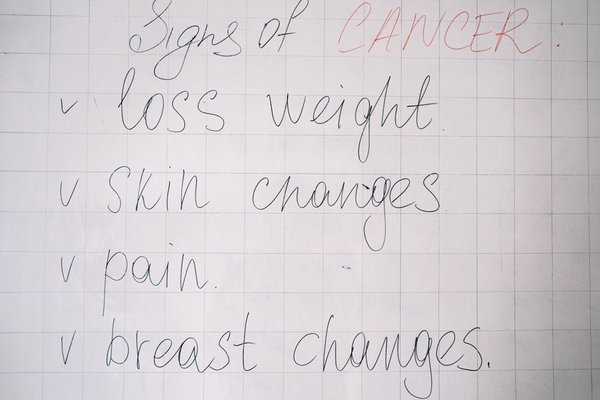
Most men never expect to find a change in their breast tissue. That assumption can make a small lump or an unusual nipple change easy to dismiss. Yet men have breast tissue too, and cancer can develop there, even though it is uncommon.
Recognising male breast cancer symptoms is not about assuming every change is dangerous. It is about knowing which signs deserve a medical assessment and avoiding delays because breast cancer seems like a condition that only affects women.
What are the main male breast cancer symptoms?
The most familiar warning sign is a new lump, but changes to the nipple, skin or armpit can also matter. Symptoms may appear on just one side, and not everyone experiences pain.
A lump or swelling near the nipple
A breast lump in men is often noticed beneath or close to the nipple or the darker area around it, called the areola. A cancerous lump is commonly firm and painless, although its feel varies. A lump elsewhere in the chest area, or a new area of swelling, also needs checking.
Do not use tenderness, size or how easily a lump moves as a home test for cancer. These details can help a clinician assess the finding, but none reliably proves that a lump is harmless.
Nipple changes in men
Watch for a nipple that newly turns inward, changes shape, develops persistent scaling or a rash, or releases fluid without being squeezed. Discharge may be clear or bloody. Even when there is no obvious lump, a new nipple change warrants an appointment.
Skin changes over the chest
Other male breast cancer signs include dimpling, puckering, redness, flaking, thickening or an area of skin that looks pulled inward. A sore or ulcer that does not heal should also be examined. Skin problems have many causes, but changes that are new or unexplained should not be self-diagnosed as irritation.
Swelling in the armpit
A new lump or swelling under the arm may involve lymph nodes. This can occur for many reasons, including infections, but occasionally it is associated with breast cancer. Mention armpit changes when arranging an assessment, especially if you also notice a change in the breast or nipple.
Could a male breast lump be something else?
Yes. Many breast changes in men are not cancer. One common cause is gynaecomastia, a benign increase in breast gland tissue that may feel like a rubbery or tender area beneath the nipple. Hormonal changes, some medicines and certain health conditions can contribute to it.
Fatty tissue, cysts, inflammation and other benign conditions can also change how the chest feels. Still, it is not possible to identify the cause confidently by appearance or touch alone. If a new lump appears, arrange a medical review rather than repeatedly checking it for weeks.
Who is more likely to develop male breast cancer?
Age is one factor: male breast cancer is diagnosed more often in older men, particularly after 50. However, younger men should not ignore symptoms. Risk can also be higher with a strong family history of breast or ovarian cancer, especially when a relative carries an inherited cancer-related gene change.
Inherited BRCA2 mutations are particularly important, while BRCA1 and some other gene changes can also increase risk. Previous radiation treatment to the chest, Klinefelter syndrome, and conditions associated with changes in hormone balance may contribute. Excess body weight is another recognised risk factor.
Having a risk factor does not mean cancer is inevitable, and having none does not rule it out. If cancer occurs in close relatives on either side of your family, ask a healthcare professional whether understanding genetic testing and counselling would be useful.
How to check your chest without becoming obsessive
There is no single self-examination routine proven to prevent deaths from male breast cancer, and routine mammogram screening is not generally recommended for men at average risk. What helps is familiarity with your normal appearance and feel, followed by prompt attention to change.
For a simple awareness check, look at both sides of your chest in a mirror, first with your arms relaxed and then raised. Notice any new difference in contour, skin texture or nipple position. Gently feel around each nipple and across the chest and armpit for an unfamiliar lump. Do not squeeze your nipples to search for discharge.
For example, someone who notices a small, painless knot beneath one nipple after showering should note where it is and book an appointment. Photographing a visible skin change or recording when it began may help explain it to the clinician. A normal check last month does not make a new symptom safe to ignore.
When should you seek medical advice?
Make a prompt appointment with a GP or another qualified clinician if you notice a breast or armpit lump, spontaneous nipple discharge, a newly inverted nipple, or an unexplained skin change. Do not wait for pain or for a lump to grow. Seek more urgent assessment if symptoms are rapidly worsening or you feel significantly unwell.
The clinician may ask about symptoms, medicines and family history, then examine the chest and nearby lymph nodes. Depending on the findings, you may be referred for breast imaging such as a mammogram or ultrasound. A biopsy, in which a small tissue sample is examined, is usually needed to confirm or exclude cancer when imaging raises concern.
If you have an inherited high-risk gene variant or a particularly strong family history, discuss a personalised plan for clinical checks and any appropriate imaging. That is different from routine screening for all men. Familiarity with other cancer warning signs can also support sensible conversations during men’s health checkups.
Frequently asked questions
Are male breast cancer lumps always painful?
No. They are often painless, but discomfort can occur. Pain or lack of pain cannot determine whether a lump is cancerous, so any new or unexplained lump should be assessed.
Can men have breast cancer without a lump?
Yes. Nipple discharge, inversion, rash, skin dimpling or swelling under the arm may be noticed before a clear breast lump. These changes still deserve attention.
Should men get regular mammograms?
Routine mammograms are not generally advised for men at average risk. A clinician may recommend imaging for symptoms or discuss individual monitoring for someone with a high-risk genetic or family history.
Does a family history on my father’s side count?
Yes. Inherited cancer-risk variants can come from either parent. Share relevant breast, ovarian, pancreatic and prostate cancer diagnoses in your family when discussing personal risk.
The takeaway
Male breast cancer is rare, and most chest changes have other explanations. Even so, new lumps, nipple changes, unusual skin changes and armpit swelling should be checked rather than guessed at. Knowing your normal chest and seeking an assessment when something changes is a practical, reassuring place to start.