
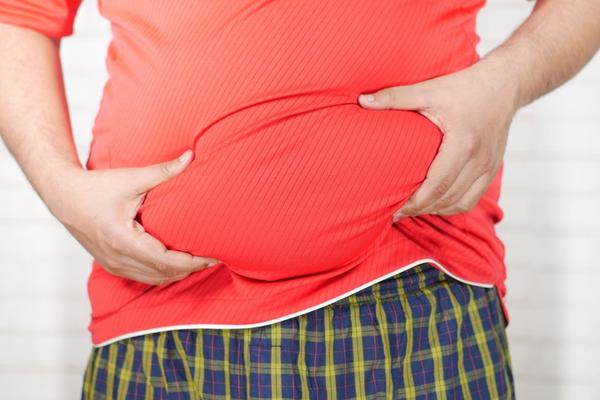
Period bloating can make your abdomen feel fuller, tighter or more uncomfortable than usual, sometimes before bleeding starts and sometimes during the first days of a period. For many people, it is part of the wider pattern of premenstrual symptoms and settles as the cycle moves on. The frustrating part is that the same word, “bloating,” can describe several different sensations: extra gas, slower bowel movements, abdominal pressure, or temporary fluid retention. Understanding which pattern sounds most like yours can make relief strategies more useful.
Why period bloating happens
Hormone levels change throughout the menstrual cycle, especially after ovulation and in the days before a period. These shifts are linked with premenstrual syndrome, and bloating is a commonly reported physical symptom. Hormones can also influence the digestive system, so some people notice constipation, looser stools, gas or changes in appetite around the same time.
Period water retention may add to the feeling of puffiness or heaviness. You might notice that rings feel tighter, clothes fit differently or the scale moves slightly even though your body fat has not meaningfully changed. At the same time, digestive gas can make the abdomen look or feel more distended. Menstrual bloating is therefore not always caused by one single mechanism.
Why bloating can start before your period
Bloating before period bleeding is often part of the premenstrual phase. If your symptoms predictably appear in the days before menstruation and improve shortly after your period begins, that timing can be a useful clue. Keeping a simple cycle-and-symptom record for two or three months can show whether there is a repeatable pattern.
Digestion can change around the same time
Some people with irritable bowel syndrome or a tendency toward constipation find that digestive symptoms become more noticeable around their period. Food choices can also shift when cravings increase, and larger salty meals, fizzy drinks or eating quickly may worsen bloating in some people. That does not mean you need a restrictive “period diet.” It is more useful to identify your own consistent triggers.
What period bloating can feel like
Period swelling is not identical for everyone. Your stomach may feel stretched by evening, waistbands may feel snug, or you may have more gas than usual. Some people describe a general puffy feeling rather than obvious abdominal enlargement. Mild cramping can occur alongside bloating, but severe or rapidly worsening pain deserves separate attention rather than being dismissed as a normal period symptom.
A practical example is the person who feels comfortable in the morning but becomes noticeably bloated after lunch during the three days before each period. If the pattern repeats monthly, checking meal size, fizzy drinks, bowel regularity and salt-heavy foods during those specific days can be more informative than cutting out several food groups all month.
Practical ways to ease period bloating
Start with gentle measures that support both digestion and general premenstrual wellbeing. Regular movement, such as walking, can help many people feel less sluggish and may support bowel regularity. Staying normally hydrated is also sensible; deliberately drinking less because you feel “waterlogged” can leave you dehydrated without fixing the cause of the bloating.
If salt-heavy foods seem to make period water retention worse, try choosing less processed or very salty food for a few days and see whether it changes your symptoms. If gas is the bigger problem, reducing fizzy drinks, eating more slowly and avoiding unusually large meals may help. People who become constipated should focus on a steady intake of fibre and fluids rather than suddenly loading up on large amounts of bran or raw vegetables, which can sometimes increase gas.
Sleep and stress matter too. They may not directly remove bloating, but poor sleep, stress and changing appetite can make the whole premenstrual experience harder to manage. Aim for routines you can repeat every cycle rather than an extreme fix you use once.
Track what works instead of guessing
For two or three cycles, note when bloating starts, when it improves, bowel changes, unusually salty meals, activity and any other PMS symptoms. This can help you distinguish a predictable menstrual pattern from bloating that is happening throughout the month. It also gives a clinician more useful information if symptoms become disruptive.
Related topics that can naturally help readers understand the bigger picture include PMS symptoms, menstrual cramps, and how to track your menstrual cycle. These are especially useful if bloating appears alongside mood changes, breast tenderness, headaches or cycle irregularity.
When period bloating should be checked
Bloating that follows a clear monthly pattern and settles is usually less concerning than bloating that is persistent, increasingly frequent or unrelated to your cycle. Arrange a medical review if you are regularly bloated, if it does not go away, or if dietary adjustments do not help. You should also seek medical advice if bloating is accompanied by unintentional weight loss, blood in your stool, a new abdominal lump or swelling, or significant changes in bowel habits.
More urgent assessment is appropriate when bloating comes with severe or sudden abdominal pain, repeated vomiting, fever, inability to pass stool or gas, or marked abdominal swelling. Persistent bloating can have many causes, including constipation, food intolerance, coeliac disease and irritable bowel syndrome. Less commonly, it can be a symptom of a more serious condition, so a new persistent pattern should not automatically be blamed on hormones.
Frequently asked questions about period bloating
How long does period bloating usually last?
It varies. For many people, bloating begins in the days before a period and improves within the first few days after bleeding starts. Your own pattern matters more than a fixed number of days. If bloating continues well beyond your period or becomes present most days, consider discussing it with a healthcare professional.
Why do I feel more bloated before my period than during it?
Premenstrual hormonal changes can coincide with shifts in fluid balance, appetite and digestion. Symptoms may peak before bleeding begins and then ease as hormone levels change again. A symptom diary can confirm whether this timing is consistent for you.
Can period bloating make the scale go up?
Temporary changes in fluid retention, bowel contents and food intake can affect scale weight around a period. A short-term increase does not necessarily represent an increase in body fat. If swelling is pronounced, persistent or occurs with other concerning symptoms, seek medical advice.
Is it normal to get bloating every month?
A repeatable monthly pattern can occur as part of PMS, especially when it improves after the period starts. However, “common” does not mean you have to tolerate severe symptoms. If bloating interferes with eating, work, sleep, exercise or normal activities, a clinician can help assess possible causes and treatment options.
Conclusion
Period bloating is often a mix of hormonal changes, temporary fluid retention and digestive changes rather than one simple problem. The most useful approach is to notice your timing, identify personal triggers and use gentle measures such as regular movement, normal hydration, balanced meals and good bowel habits. If the pattern stops being clearly cyclical, becomes persistent or arrives with warning symptoms, get it checked rather than assuming it is just another part of your period.