
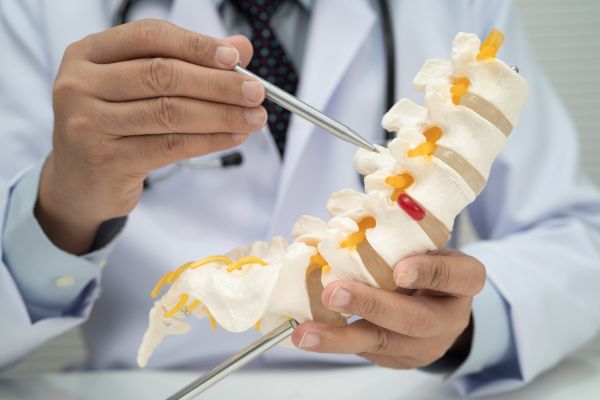
Menopause is often discussed through its most noticeable changes: hot flashes, restless nights, shifting moods, and periods that become unpredictable before stopping. Bone loss is quieter. It cannot usually be felt as it happens, yet it is one of the most important long-term changes associated with the menopause transition.
The connection between menopause and bone health deserves attention well before a fracture or an osteoporosis diagnosis. Bones are living tissue, constantly being broken down and rebuilt. As estrogen levels fall, that balance can shift, allowing bone to be lost faster than it is replaced.
This process is natural, but its effects are not identical for every woman. Genetics, nutrition, exercise, health conditions, medicines, and lifestyle habits all influence bone strength. The reassuring part is that practical steps taken during midlife can help protect mobility and reduce future fracture risk.
Why Estrogen Matters to the Skeleton
Estrogen plays an important role in the normal cycle of bone renewal. During perimenopause, hormone levels begin to fluctuate. After menopause, the ovaries produce much less estrogen, which can speed up the rate at which old bone is broken down.
Some gradual bone loss occurs with ageing in everyone, but menopause adds another layer. Women tend to lose bone more rapidly during the first several years after menopause, with the hip, wrist, and spine among the areas commonly affected when bones become fragile.
This does not mean that every woman will develop osteoporosis. It does mean that midlife is an important time to start thinking about the skeleton, even when there are no aches, injuries, or obvious warning signs.
Bone Loss Can Be Easy to Miss
Osteoporosis is sometimes called a silent disease because it often develops without noticeable symptoms. A woman may feel active and healthy while her bone density is gradually declining. In some cases, the first clear sign is a fracture after a relatively minor fall or impact.
Osteoporosis-related fractures commonly affect the hip, spine, and wrist. Spinal fractures may occasionally cause persistent back pain, height loss, or a more rounded posture, although they can also happen without dramatic symptoms.
Osteopenia describes bone mineral density that is lower than normal but not low enough to meet the diagnostic threshold for osteoporosis. It does not mean that a fracture is inevitable. Instead, it can serve as an early signal to review exercise, diet, medicines, medical conditions, and other personal risks.
Personal Risk Involves More Than Menopause
Falling estrogen is a major factor, but it is only part of the picture. A family history of osteoporosis or hip fracture may increase risk. Early menopause, removal of the ovaries, a smaller body frame, smoking, heavy alcohol consumption, low physical activity, and a previous fracture can also matter.
Certain health conditions may interfere with the body’s ability to build or maintain bone. These include some thyroid disorders, rheumatoid arthritis, coeliac disease, digestive conditions that reduce nutrient absorption, and illnesses that limit movement.
Long-term use of particular medicines, including some corticosteroids, may contribute to bone loss as well. This is why bone-health advice needs to be personal. Two women of the same age can have very different levels of risk depending on their medical history and everyday habits.
Calcium Is Important, but It Is Not the Whole Story
Calcium provides essential material for the skeleton. Useful food sources include milk, yoghurt, cheese, calcium-fortified plant drinks, tofu prepared with calcium, canned fish with edible bones, and certain green vegetables.
It is generally helpful to obtain as much calcium as possible from a varied diet. Food provides other nutrients at the same time and is less likely to result in an unnecessarily high intake. Supplements may be useful when dietary intake is insufficient, but taking extra calcium does not automatically provide extra protection.
Research into calcium and vitamin D supplements and fracture prevention has produced mixed findings. Supplements should therefore fill a genuine nutritional or medical need rather than replace balanced eating, exercise, or prescribed osteoporosis treatment.
Protein also deserves attention. Bone contains a protein framework as well as minerals, while strong muscles help support posture and reduce falls. Beans, lentils, eggs, fish, poultry, dairy foods, tofu, nuts, and seeds can all contribute to regular protein intake.
Vitamin D Helps the Body Use Calcium
Vitamin D helps the digestive system absorb calcium and supports normal bone mineralisation. The body can produce vitamin D when skin is exposed to sunlight, although the amount varies according to season, location, skin tone, clothing, age, and time spent outdoors.
Food sources include oily fish, egg yolks, and fortified products. Some women may require a supplement, particularly when blood levels are low or sun exposure and dietary intake are limited.
More vitamin D is not always better. Very high supplemental doses can cause excessive calcium levels and other health problems. Testing and supplementation should be discussed with a healthcare professional when deficiency is suspected or when individual risk is high.
Movement Encourages Bones to Stay Strong
Bones respond to physical demand. Weight-bearing activities make the body work against gravity and encourage the skeleton to maintain strength. Brisk walking, stair climbing, dancing, hiking, and some forms of aerobics can all be useful.
Resistance training is just as valuable. Exercises using weights, resistance bands, machines, or body weight strengthen the muscles that support bones and joints. They also make daily movements, such as carrying shopping bags or getting up from a chair, easier.
Balance and coordination exercises become increasingly important with age. A fall can turn low bone density into a serious fracture, so improving stability is part of protecting the skeleton. Regular exercise can help prevent bone loss, strengthen muscles, improve balance, and reduce the likelihood of falls.
Women who already have osteoporosis, spinal fractures, severe joint problems, or a long period of inactivity may need individual guidance before beginning high-impact exercise or heavy lifting. Movement should challenge the body safely rather than create avoidable injury.
Everyday Habits Shape Future Bone Strength
Smoking is associated with poorer bone health and adds to several other health risks that increase with age. Stopping benefits the skeleton as well as the lungs, heart, and circulation.
Heavy alcohol use can interfere with bone health and increase the chance of falling. Moderation matters, particularly when alcohol is combined with medicines that cause dizziness or sleepiness.
Extreme dieting can also work against healthy bones. Midlife weight gain may feel frustrating, but severe calorie restriction can leave the body short of protein, calcium, vitamin D, and other nutrients. A steady eating pattern paired with resistance and weight-bearing exercise is generally more supportive than repeated crash diets.
Fall prevention belongs in the same conversation. Good lighting, clear walkways, secure rugs, suitable footwear, regular vision checks, and attention to medicines that affect balance can all reduce avoidable risk.
When a Bone-Density Test May Be Needed
A bone mineral density test, commonly known as a DXA or DEXA scan, uses low-dose X-rays to estimate bone strength. It can help identify osteopenia or osteoporosis before a fracture occurs.
The timing of testing depends on age and personal risk. Women who experience early menopause, have a history of low-trauma fractures, take medicines associated with bone loss, or have relevant medical conditions may need assessment earlier than those at average risk.
A scan result is not considered in isolation. Healthcare professionals may also look at age, family history, smoking, alcohol use, previous fractures, body weight, medicines, and the likelihood of falling.
Treatment May Be Necessary When Risk Is High
Healthy eating and exercise remain important after an osteoporosis diagnosis, but they may not be enough on their own. Prescription treatments can slow bone breakdown or stimulate new bone formation, depending on the individual situation.
Menopausal hormone therapy can help protect against the bone loss that occurs early in menopause. However, it is not appropriate for everyone. The balance of benefits and risks depends on age, menopause symptoms, medical history, and the amount of time since menopause began.
Other osteoporosis medicines may be recommended when bone density is very low or fracture risk is elevated. Treatment needs regular review because medicines differ in how they are taken, how long they are used, and which side effects require monitoring.
Protecting Bone Is a Long-Term Investment
Menopause changes the skeleton quietly, but quiet does not mean unimportant. Declining estrogen can accelerate bone loss during years when sleep disruption, family responsibilities, work, and other symptoms may already demand attention.
Caring for menopause and bone health is not about fearing every sign of ageing. It is about giving the body steady support through nourishing food, regular strength-building movement, sensible lifestyle habits, fall prevention, and appropriate medical assessment.
Bones carry the effects of an entire lifetime, yet they remain active tissue. The choices made during the menopause years can help preserve strength for decades, supporting not only fracture prevention but also confidence, independence, and the freedom to keep moving through life.